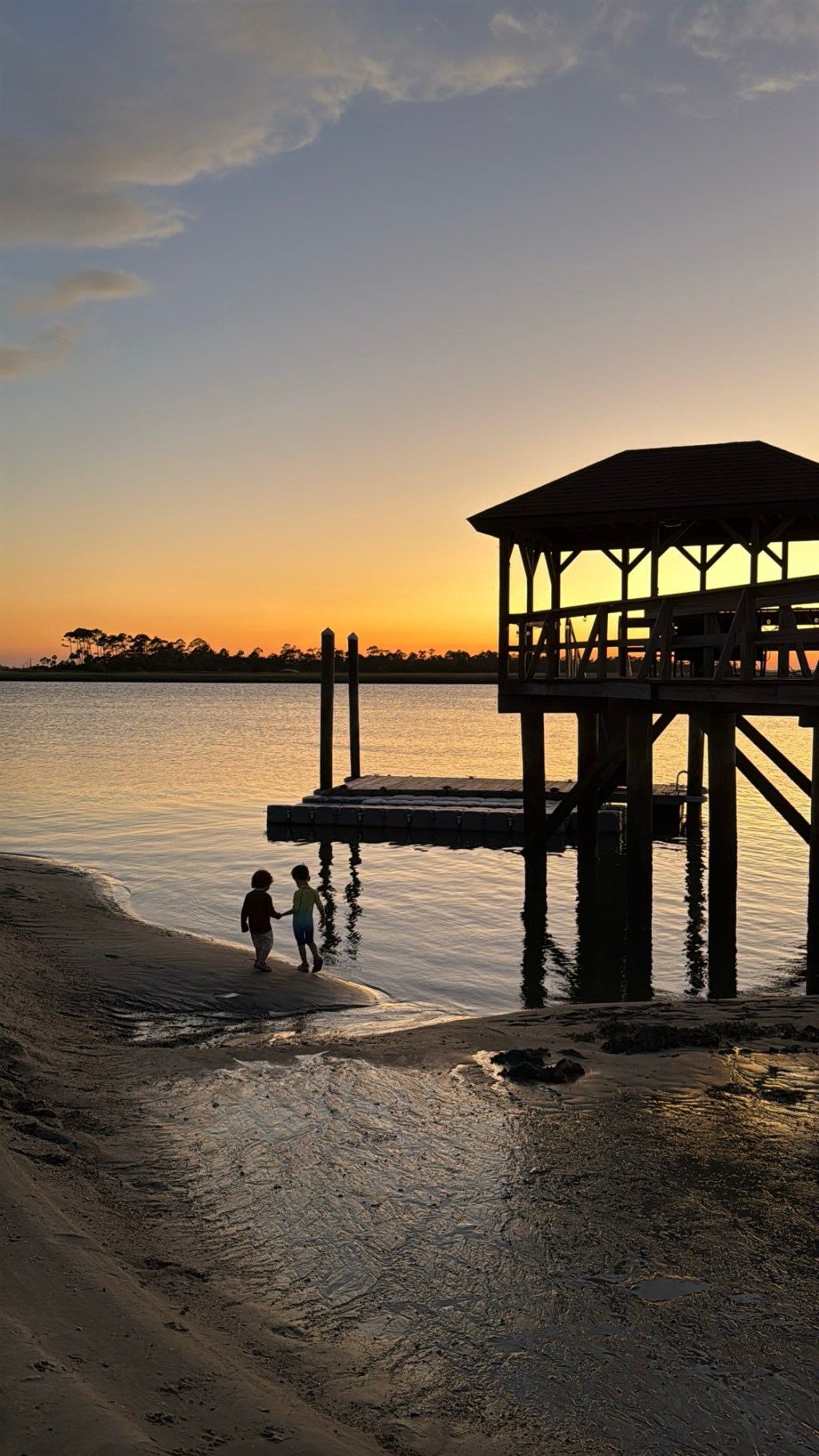
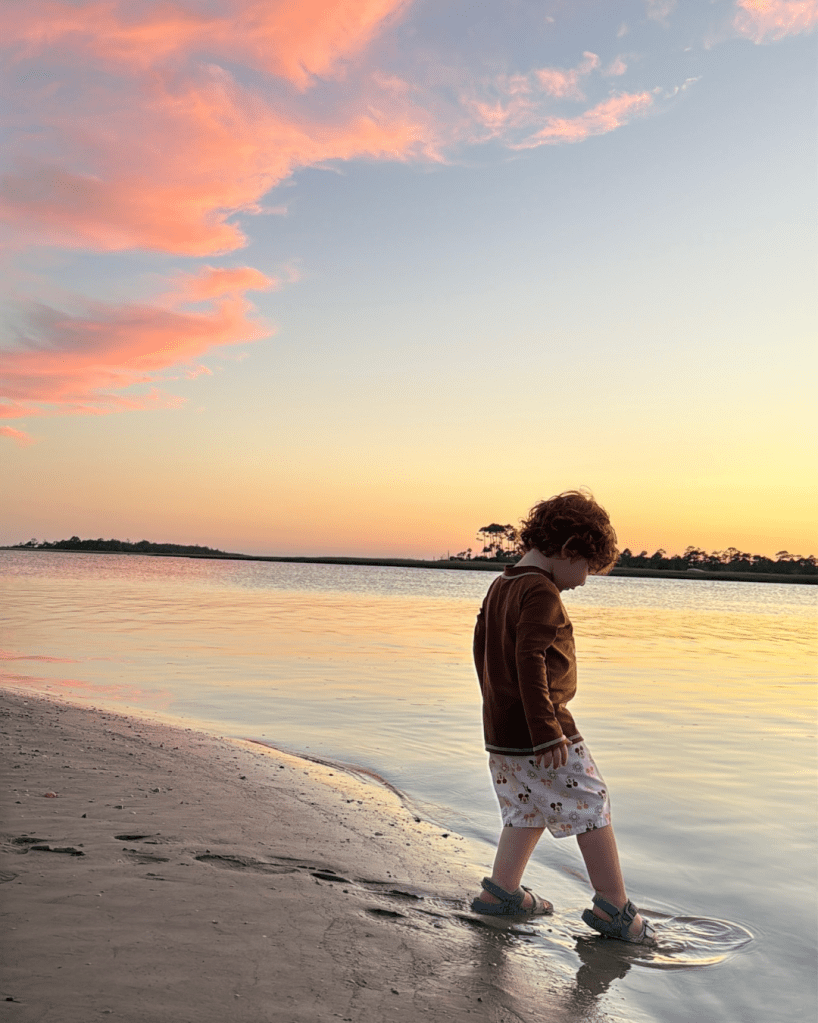
This is one of the most common questions I hear from parents.
Do kids actually learn while traveling, or does learning stop when routines and schedules change?
As a teacher and a parent who travels with young kids, I can confidently say this. Yes, kids absolutely learn while traveling. In many cases, they learn more deeply than they do in traditional settings.
The key is understanding what learning looks like in early childhood and how to support it intentionally.
Learning Looks Different for Young Kids
For Pre-K and Kindergarten-aged children, learning is not about sitting still or completing long lessons. It is about exploration, conversation, repetition, and connection.
When kids travel, they are constantly exposed to:
- New environments
- New vocabulary
- New routines
- New social situations
All of these experiences naturally support early academic and developmental skills.
Learning does not pause just because the classroom changes. It adapts.
What Kids Are Actually Learning While Traveling
Parents often underestimate how much learning is happening because it does not look like school.
Here is what children are learning during travel, often without realizing it.
Language and Literacy Skills
Travel introduces new words in context. Kids hear place names, signs, descriptions, and conversations that expand their vocabulary. They practice listening, speaking, and asking questions, which are foundational literacy skills.
Recognizing letters on signs, maps, menus, and tickets also supports early reading development.
Early Math Skills
Travel naturally includes counting, comparing, and problem-solving.
Kids count steps, animals, cars, tickets, or snacks. They compare sizes, distances, and quantities. They begin to understand time, sequence, and patterns through daily routines.
These experiences build strong number sense before formal math instruction begins.
Background Knowledge and Comprehension
One of the most overlooked benefits of travel is background knowledge.
Children who have experienced different places, environments, and activities have an easier time understanding books, lessons, and discussions later on.
A child who has visited an aquarium understands stories about ocean animals differently than a child who has only seen pictures. This directly supports reading comprehension as they grow.
Social and Emotional Learning
Travel places kids in new situations where they practice flexibility, patience, and communication
They learn how to:
- Navigate new environments
- Follow directions
- Interact with new people
- Adapt to changes in routine
These skills support independence and confidence, which directly impact academic success.
Why Travel Learning Often Gets Dismissed
Travel learning is often dismissed because it does not look traditional.
There are no desks, grades, or worksheets in sight. Because of that, it is easy to assume learning is not happening.
But in early childhood education, meaningful learning often happens before children ever pick up a pencil.
Travel provides the context. Structure provides the follow-through.
Where Parents Get Stuck
Many parents reach a point where they feel torn.
They value experiences, but they worry their child is missing academic skills. They want learning to feel natural, but they also want reassurance that their child is progressing.
This is a valid concern.
The answer is not choosing one approach over the other. The answer is combining them intentionally.
Why Worksheets Still Matter After Travel
Travel introduces concepts. Worksheets help children practice and show understanding.
After an outing, worksheets can help kids:
- Recognize and recall letters they saw
- Practice counting objects they experienced
- Connect vocabulary to images and symbols
- Build confidence through independent work
Worksheets should not replace travel-based learning. They should support it.
When used intentionally and in small doses, worksheets help turn experiences into lasting learning.
How I Support Learning While Traveling
As a teacher mom, I focus on three things.
First, I let experiences lead. We talk, observe, and explore without pressure.
Second, I look for simple learning moments. Counting, letter recognition, and vocabulary naturally come up during travel.
Third, I follow up with light, structured practice. Short activities help connect what we experienced to academic skills.
This balance keeps learning meaningful without turning every trip into a lesson.
So, Do Kids Really Learn While Traveling?
Yes, they do.
Travel supports language development, early math skills, background knowledge, and social growth. When paired with intentional follow-up, it also supports academic standards.
Learning does not stop when you leave home. In many ways, it expands.
For young kids, some of the most important learning happens while exploring the world.
Ready to learn on the go?
- 🧳 Travel learning printables and resources: Browse our full collection on Teachers Pay Teachers, designed to help connect real-world experiences to early learning standards.
- 🎥 Daily travel inspiration and learning tips: Follow us on TikTok for ideas you can use right away with young kids.
- 👨👩👧👦 Community support: Join our Facebook Group to connect with other families who love learning through travel and everyday adventures.
- 📘 Alphabet learning through real experiences: Start with a free sample of our Alphabet Adventure Journal, or explore the full journal for families learning on the go.
 Travel School Curriculums
Leave a comment