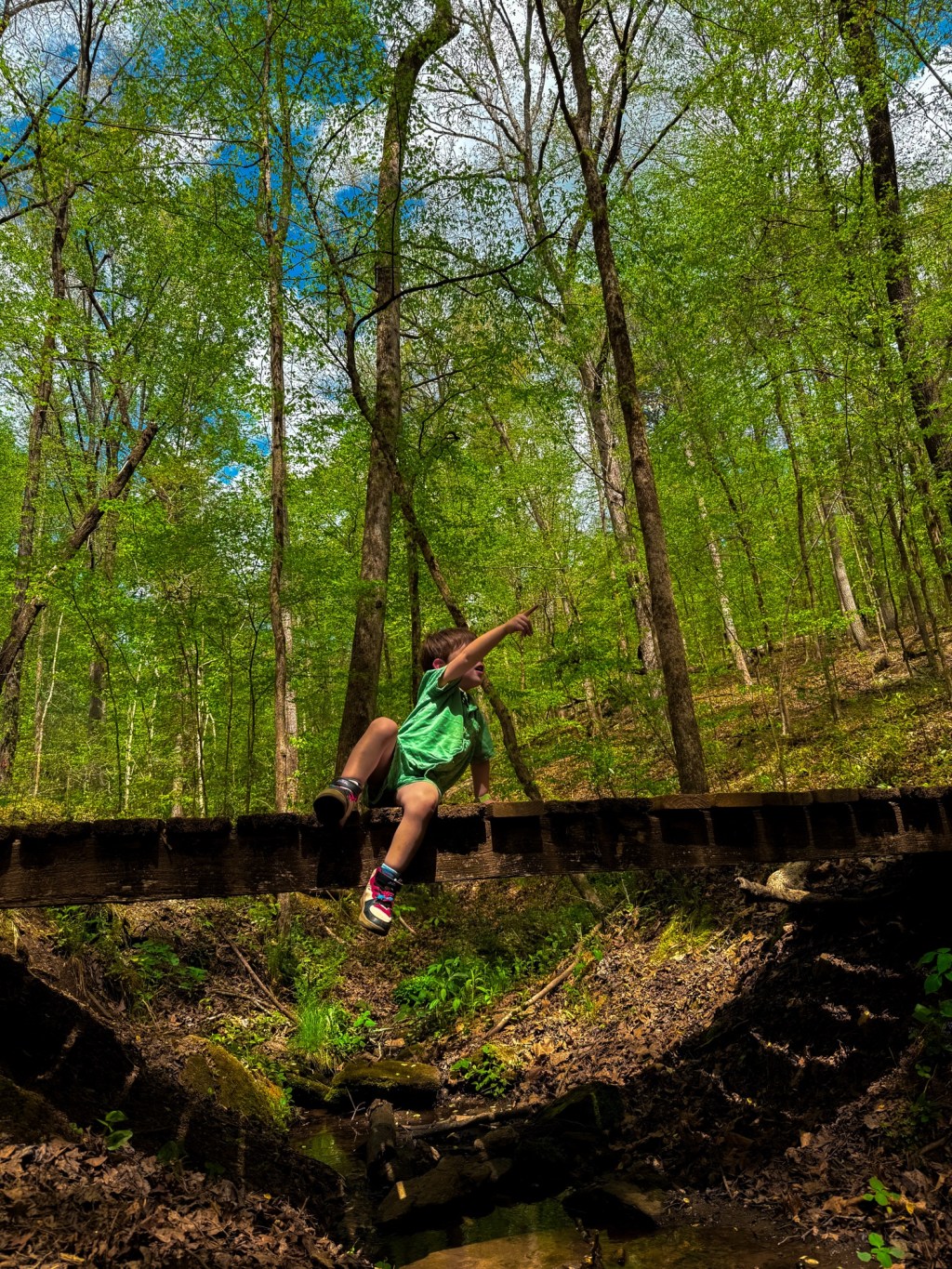
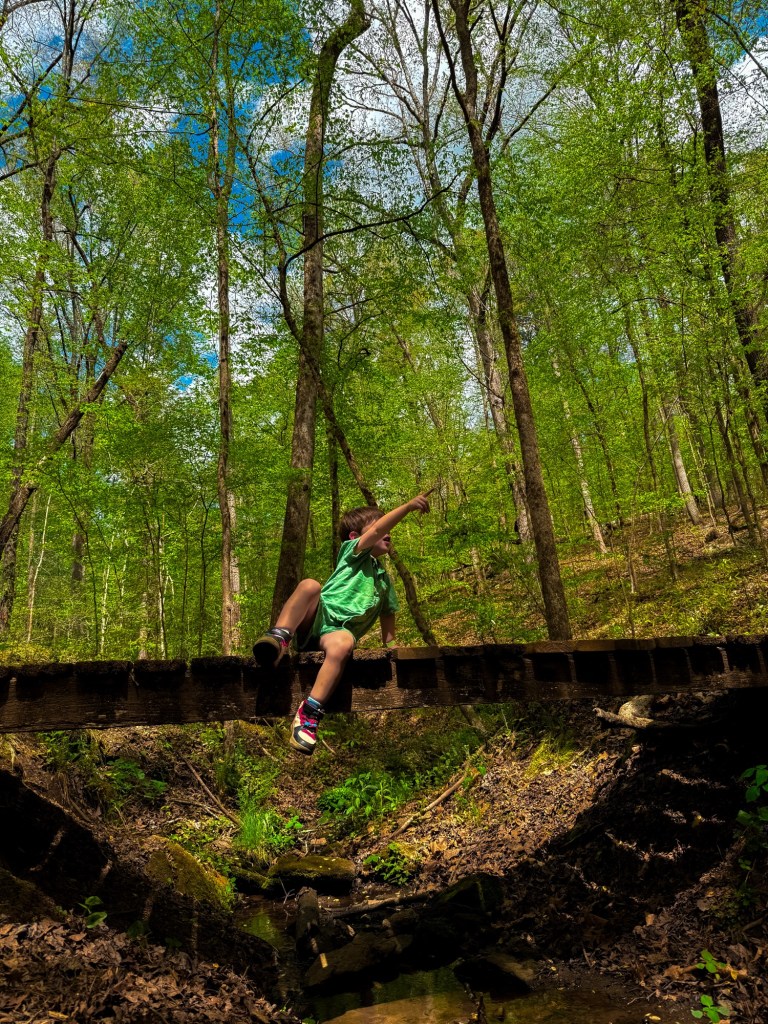
Travel-based learning is often misunderstood.
Some people hear it and imagine expensive trips, constant vacations, or kids missing out on “real school.” In reality, travel-based learning has very little to do with distance or cost, and everything to do with how children experience the world around them.
For young kids especially, travel-based learning is one of the most effective ways to build early academic skills while keeping learning meaningful and engaging.
What Is Travel-Based Learning
Travel-based learning is an approach that uses real-world experiences as the foundation for learning.
This can include:
- Visiting museums, aquariums, farms, or parks
- Exploring new neighborhoods or cities
- Taking road trips or day trips
- Observing everyday places like grocery stores, libraries, or playgrounds
The key is not how far you go, but how experiences are intentionally connected to learning skills like literacy, math, language development, and critical thinking.
For young children, learning happens best when it is active, hands-on, and connected to real life. Travel-based learning builds on that natural curiosity.
Travel-Based Learning Is Not Just for Big Trips
One of the biggest myths is that travel-based learning only works if you are constantly going somewhere new.
In reality, repetition matters.
A child can learn just as much from visiting the same park, library, or store multiple times as they can from a one-time trip. Each visit gives them a chance to notice new details, ask deeper questions, and build stronger connections.
Travel-based learning is really about learning through experiences outside the home, whether that is across the country or down the street.
Why Travel-Based Learning Works for Young Kids
Young children are still building their understanding of the world. They need concrete experiences to make sense of abstract ideas.
Travel-based learning supports this by:
- Building vocabulary through real conversations
- Strengthening early literacy by connecting words to real objects
- Supporting early math through counting, measuring, and comparing
- Developing social and emotional skills through new environments
- Encouraging curiosity and problem-solving
These experiences create strong mental connections that help learning stick.
The Role of Background Knowledge in Early Learning
Background knowledge plays a major role in reading comprehension and academic success.
When children have experienced something firsthand, they are better able to understand books, discussions, and lessons related to that topic later on.
For example, a child who has visited a farm understands stories about animals differently than a child who has only seen them in pictures.
Travel-based learning builds that foundational knowledge early, which supports long-term academic growth.
Why Travel-Based Learning Alone Is Not Enough
While travel-based learning is powerful, it should not stand alone.
Experiences introduce concepts, but practice helps children show understanding.
Without intentional follow-up, kids may enjoy an experience without fully connecting it to specific skills. This is where structured activities and worksheets play an important role.
Worksheets help children:
- Practice skills introduced through experiences
- Connect learning to academic expectations
- Transfer knowledge to paper
- Build confidence and independence
The goal is not to replace real-world learning with worksheets, but to use both together.
Connecting Experiences to Learning Standards
Many parents worry that learning through travel does not align with academic standards.
In reality, most early learning standards focus on:
- Letter recognition
- Early writing skills
- Counting and number sense
- Vocabulary development
- Observational and descriptive skills
All of these can be naturally introduced through travel-based learning. Worksheets and structured activities then help reinforce those skills in a clear, measurable way.
This combination allows children to enjoy learning while still building a strong academic foundation.
Travel-Based Learning for Everyday Families
Travel-based learning does not require a special schedule, expensive materials, or perfect planning.
It works best when:
- Experiences are intentional but flexible
- Learning is connected back to simple skills
- Practice is age-appropriate and short
- Curiosity leads the way
For young kids, even small experiences can have a big impact when they are supported with the right tools.
Why Travel-Based Learning Matters
Travel-based learning matters because it helps children understand the world in a meaningful way.
It builds curiosity, confidence, and real understanding. When paired with intentional practice, it supports academic growth without taking the joy out of learning.
Learning does not have to stay at the table. Some of the most important lessons happen along the way.
Ready to learn on the go?
- 🧳 Travel learning printables and resources: Browse our full collection on Teachers Pay Teachers, designed to help connect real-world experiences to early learning standards.
- 🎥 Daily travel inspiration and learning tips: Follow us on TikTok for ideas you can use right away with young kids.
- 👨👩👧👦 Community support: Join our Facebook Group to connect with other families who love learning through travel and everyday adventures.
- 📘 Alphabet learning through real experiences: Start with a free sample of our Alphabet Adventure Journal, or explore the full journal for families learning on the go.
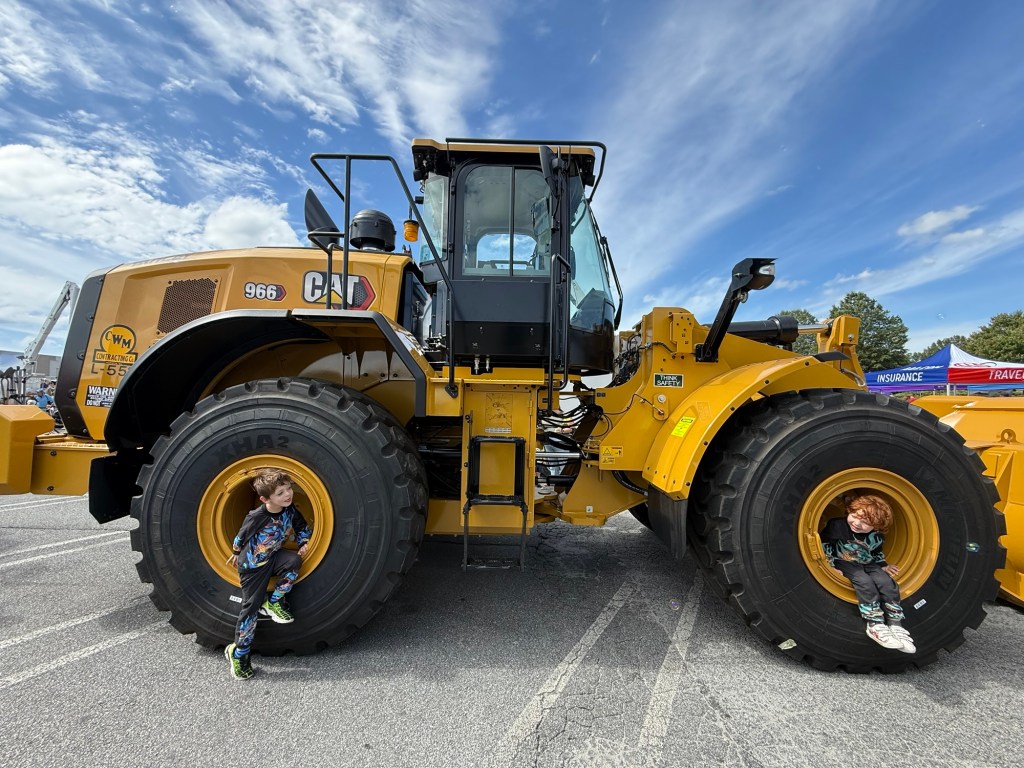

 Travel School Curriculums
Leave a comment