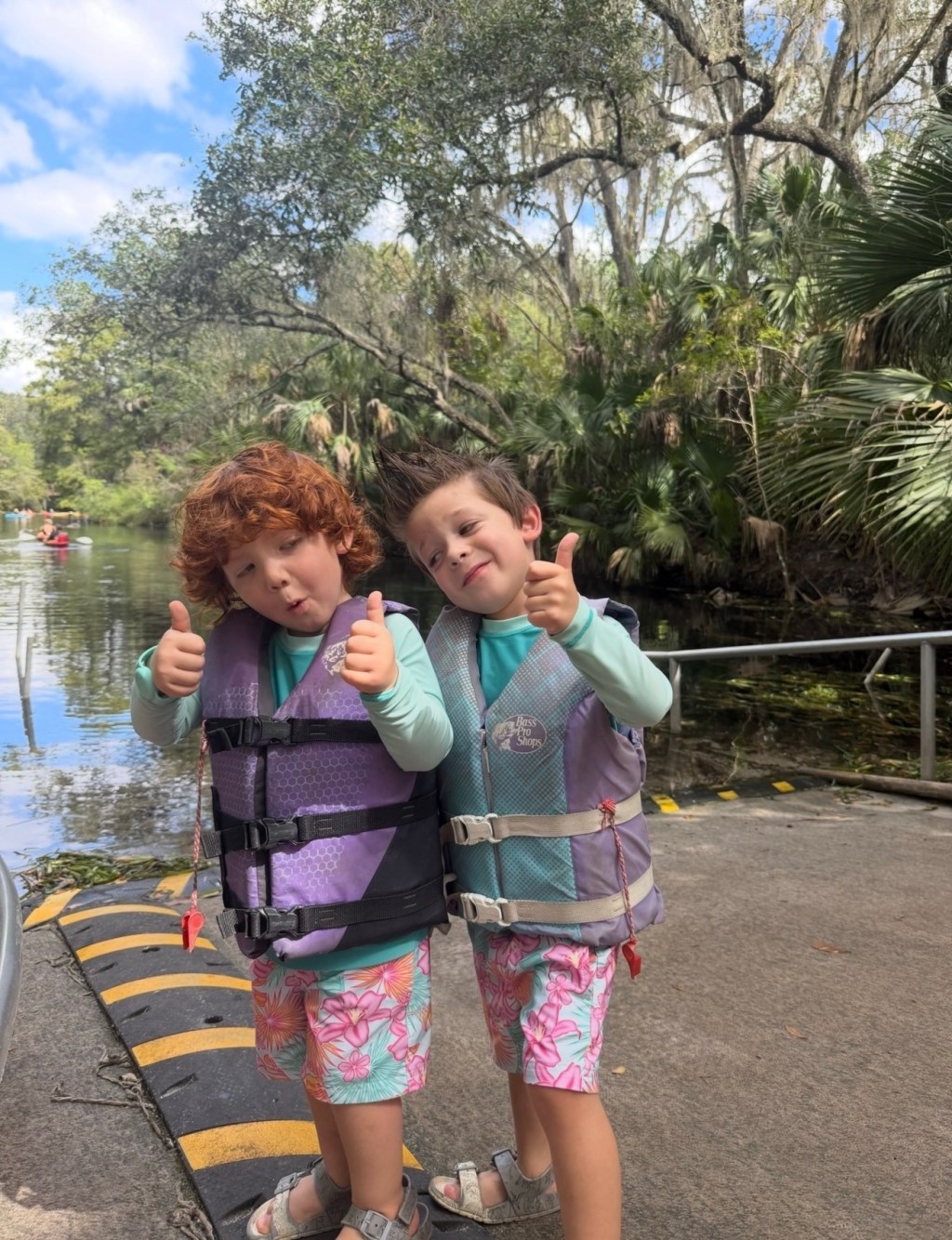
If you have ever worried that your child is not learning enough because they are not sitting at a table with worksheets all day, let’s clear something up right now.
Young kids are learning constantly, especially when they are out in the world.
For children in Pre-K and Kindergarten, learning does not happen best through long lessons or formal instruction. It happens through movement, curiosity, conversation, and real-life experiences. That is why learning on the go works and why it is not just fun, but developmentally powerful.
Young Kids Learn Best Through Real Experiences
Early childhood brains are wired for hands-on, sensory learning. When kids can see, touch, hear, smell, and experience something, their brains make stronger connections.
Think about the difference between looking at a picture of a fish versus standing in front of a massive aquarium tank, watching fish swim, naming colors, counting fins, and asking questions.
That second experience is not just memorable. It is meaningful.
Learning on the go naturally supports:
- Language development through new words and real conversations
- Early math skills like counting, comparing, and measuring
- Critical thinking through asking why and how
- Background knowledge, which plays a major role in future reading comprehension
Travel and Outings Create Natural Motivation to Learn
One of the biggest challenges with young kids is engagement.
Kids are far more likely to learn when they are interested, and nothing sparks interest like a new place or experience that feels special.
When kids are excited:
- They ask more questions
- They stay focused longer
- They retain information better
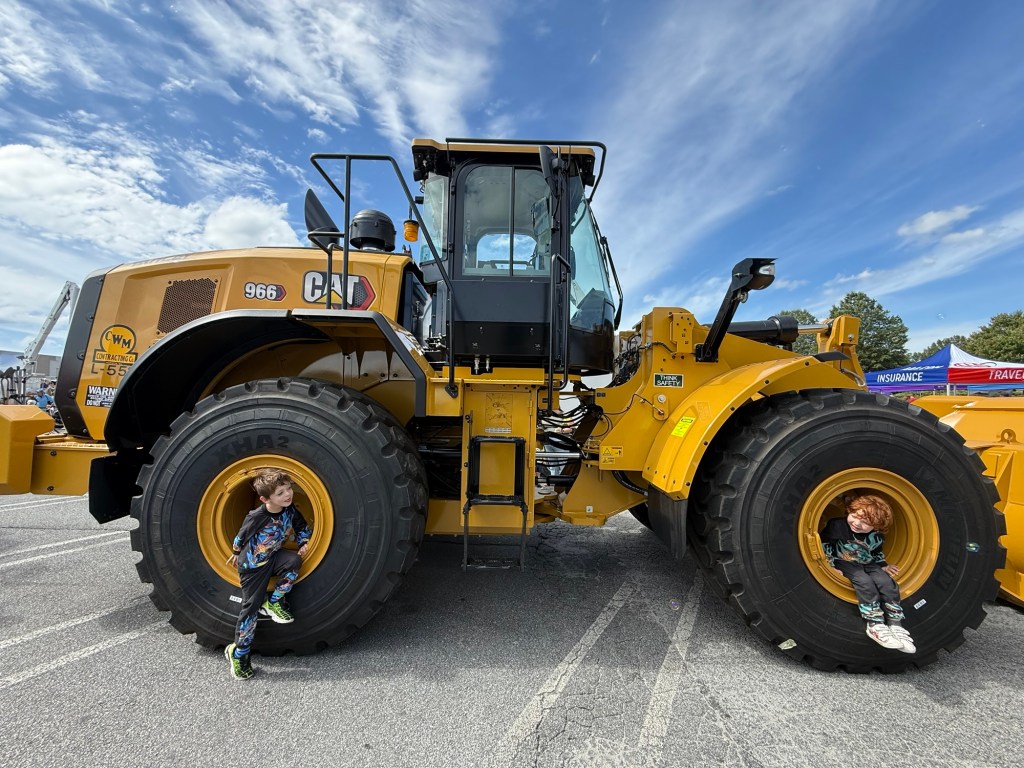
A trip to a zoo, museum, park, city center, or even the grocery store creates built-in motivation. Learning becomes something that happens with them, not something done to them.
Learning on the Go Builds Background Knowledge
Background knowledge is one of the strongest predictors of academic success, and it starts early.
When kids visit new places, experience different environments, and hear rich language in context, they build a mental library they will use later when reading, writing, and problem-solving.
This is especially important for early literacy, vocabulary development, and reading comprehension.
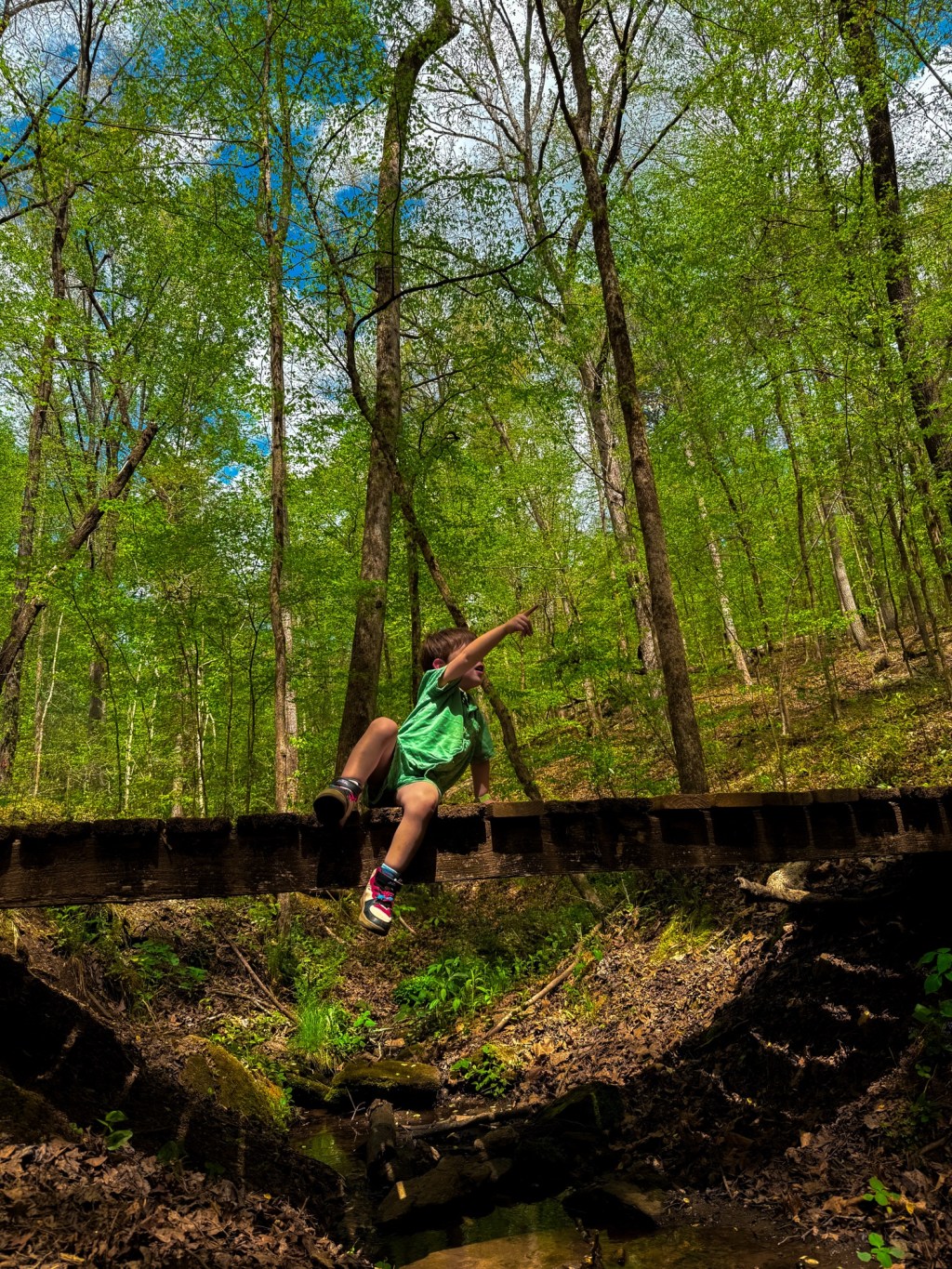
A child who has experienced an aquarium, farm, city, or nature trail has a much easier time understanding books, worksheets, and lessons about those topics later on.
But Is It Academic Enough
This is where many parents feel stuck.
Yes, learning on the go is powerful. But real-world experiences alone are not enough to fully support academic development.
And that is okay.
Experiences introduce concepts. Intentional practice helps solidify them.
For example:
- Seeing letters on signs builds awareness
- Worksheets help kids recognize and recall those letters independently
- Counting objects during an outing builds understanding
- Structured counting practice helps kids show mastery
The strongest learning happens when experiences and worksheets work together.
Why Worksheets Still Matter When Used Intentionally
Worksheets often get a bad reputation, but they serve an important purpose when used correctly.
Worksheets help:
- Reinforce skills learned through play and experiences
- Connect learning to academic standards
- Give kids practice transferring knowledge to paper
- Provide clear checkpoints for progress
For young kids, worksheets should not replace experiences. They should support them.
Think of worksheets as the bridge between seeing, understanding, and showing what they know.
Learning on the Go Still Needs Structure
One of the biggest myths about travel-based learning is that it lacks structure.
In reality, effective learning on the go is intentional, repeatable, and connected to clear skills.
You do not need a rigid schedule. You just need simple tools to connect experiences back to learning.
This is why we pair real-life adventures with alphabet activities, counting practice, and theme-based learning extensions. It helps kids move from experiencing something to truly understanding it.
The Bottom Line
Learning on the go works because it aligns with how young kids learn best. It builds curiosity, motivation, language skills, and real understanding.
When you combine real-world experiences with intentional practice, learning sticks.
You do not have to choose between adventures and academics. Your kids deserve both.
Ready to learn on the go?
- 🧳 Travel learning printables and resources: Browse our full collection on Teachers Pay Teachers, designed to help connect real-world experiences to early learning standards.
- 🎥 Daily travel inspiration and learning tips: Follow us on TikTok for ideas you can use right away with young kids.
- 👨👩👧👦 Community support: Join our Facebook Group to connect with other families who love learning through travel and everyday adventures.
- 📘 Alphabet learning through real experiences: Start with a free sample of our Alphabet Adventure Journal, or explore the full journal for families learning on the go.

 Travel School Curriculums
Leave a comment