If you have ever wondered whether worksheets actually matter when your child is learning through experiences, you are not alone. Many parents assume that hands-on, real-world learning is enough. Others worry that worksheets alone are too boring or disconnected.
The truth is that both are important, and when used together, they create a learning environment that is meaningful, engaging, and effective.
Why Real-World Learning Is So Powerful
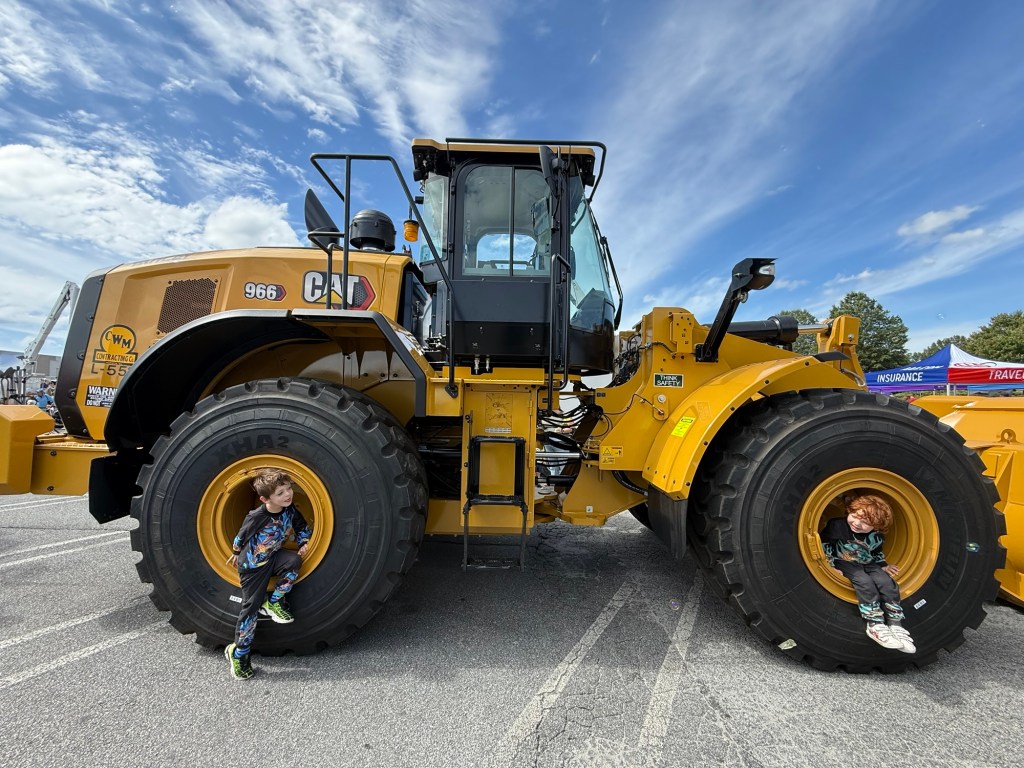
Young children learn best through experiences. Exploration, observation, and play allow them to make sense of the world around them.
When kids travel, visit new places, or even explore familiar spaces, they are:
- Building vocabulary naturally
- Developing early math skills through counting, comparing, and sorting
- Strengthening social and emotional skills
- Creating background knowledge that will support future learning
These experiences are memorable and engaging because they are active. Kids are not just reading about something, they are experiencing it firsthand.
The Role of Worksheets in Learning
Worksheets often get a bad reputation, but they serve an important purpose when used intentionally.
Worksheets allow children to:
- Practice and reinforce skills introduced through experiences
- Transfer learning from hands-on exploration to paper
- Develop fine motor skills and early writing
- Show understanding in a structured way that connects to academic standards
Worksheets alone can feel dry, but when paired with real-world experiences, they help children take what they saw, touched, and discussed and turn it into concrete skills.
How Experiences and Worksheets Work Together
The magic happens when you combine both approaches.
For example:
- A trip to the zoo introduces children to animals and habitats.
- Counting the animals or noticing patterns during the visit builds early math skills.
- A follow-up worksheet asks children to identify the animals, count them, or sort them by size.
The experience builds engagement and understanding. The worksheet helps solidify the skill and provides measurable practice.
The combination ensures that learning is not just fun, but effective.
Supporting Standards Without Losing Joy
Many parents worry that travel-based learning is “too freeform” to support academic standards.
By pairing experiences with simple, intentional worksheets, children can:
- Meet early literacy and math standards
- Develop handwriting and fine motor skills
- Build problem-solving and observation skills
- Connect abstract concepts to real-world understanding
This approach ensures children are learning and practicing while still enjoying the adventure of real-world exploration.
Tips for Balancing Worksheets and Travel Learning
- Keep worksheets short and intentional. A few minutes of practice is enough to reinforce what was learned.
- Connect worksheets to experiences. Worksheets should reflect what children saw, counted, or discussed.
- Use travel as the primary learning context. Let outings and experiences lead the learning, with worksheets as follow-up.
- Be flexible. Some days may focus more on exploration. Other days may include a short worksheet or activity at home.
The goal is not to replace adventure with work. It is to connect learning from the world around your child to the skills they need to master.
Why Kids Really Need Both
- Real-world experiences spark curiosity, engagement, and joy.
- Worksheets provide structure, practice, and measurable skill-building.
- Together, they create a balanced approach that supports both academic standards and meaningful learning.
When children learn through exploration and then reinforce their knowledge through intentional practice, learning becomes lasting, transferable, and truly effective.
Ready to learn on the go?
- 🧳 Travel learning printables and resources: Browse our full collection on Teachers Pay Teachers, designed to help connect real-world experiences to early learning standards.
- 🎥 Daily travel inspiration and learning tips: Follow us on TikTok for ideas you can use right away with young kids.
- 👨👩👧👦 Community support: Join our Facebook Group to connect with other families who love learning through travel and everyday adventures.
- 📘 Alphabet learning through real experiences: Start with a free sample of our Alphabet Adventure Journal, or explore the full journal for families learning on the go.

 Travel School Curriculums
Leave a comment